The Healthy Body Blueprint: 7 Yoga Habits for Life After 40

"Sthira Sukham Asanam"
— A posture should be steady and comfortable.—
Patanjali's Yoga Sutras

As we move into our forties, fifties and beyond, this ancient teaching takes on an even deeper meaning.
Healthy ageing isn't about forcing our bodies to do more; it's about finding the balance between strength and ease.
Research shows that regular movement is one of the most powerful ways to preserve health, independence and vitality and ageing doesn't have to mean becoming stiff, weak or limited. The secret isn't exercising harder—it's exercising smarter.
Yoga provides an incredible foundation because it develops strength, mobility, balance, coordination and mindfulness all at once.
Here are seven habits that can help you enjoy a healthier, more active life for decades to come.

1. Move Your Spine Every Day
Your spine was designed to move in many directions, yet modern life encourages us to spend hours sitting, driving and looking down at screens.
A balanced yoga practice gently explores:
Forward folds
Backbends
Twists
Side bends
Gentle spinal rotations
Rather than forcing flexibility, think of each movement as nourishing the joints and keeping the spine supple.
As Joseph Pilates famously said:
"You are only as young as your spine."
Whether or not that's literally true, there's wisdom in the idea. A mobile spine supports comfortable movement throughout life.
2. Think Expansion, Not Compression
Gravity compresses us all day long.
We slump at desks.We sink into sofas.We round our shoulders over our phones.
Yoga reminds us to do the opposite.
Lengthen through the crown of your head.Lift your chest.Reach through your fingertips.Create space between each vertebra with every breath.
This feeling of expansion improves posture, breathing and overall movement quality.
It's not about making yourself taller—it's about moving with more freedom.
3. Hang Every Day
One habit that surprises many people is hanging from a bar.
Even hanging for 10–30 seconds can help:
Improve shoulder mobility
Strengthen grip
Gently decompress the spine
Build resilience in tendons and ligaments
Maintain upper-body strength
Grip strength is now recognised as one of the strongest predictors of healthy ageing and long-term independence.
If a full hang feels too difficult, simply keep your feet lightly on the floor and gradually increase the amount of weight your hands support.
Small daily practice brings remarkable long-term benefits.
4. Build Strength, Not Just Flexibility
Many people think yoga is only about stretching.
In reality, good yoga develops strength too.
From around the age of 40 we naturally begin losing muscle mass unless we actively challenge our muscles.
Strong muscles help:
Protect joints
Improve balance
Support healthy bones
Reduce injury risk
Make everyday activities easier
Poses such as Warrior II, Chair Pose, Plank, Side Plank and Bridge are excellent examples of yoga building functional strength.
If possible, combine your yoga practice with two strength-training sessions each week. This combination is one of the most effective ways to maintain muscle, bone density and independence as we age.
5. Practise Balance Every Day
Balance is a skill—and like any skill, it improves with practice.
Tree Pose is a wonderful place to begin.
You can also practise standing on one leg while brushing your teeth or waiting for the kettle to boil.
Balance training strengthens not only your muscles but also your brain and nervous system, helping reduce the risk of falls later in life.
Every wobble is part of the learning process.
6. Breathe Slowly and Calmly
One of yoga's greatest gifts is its emphasis on the breath.
Slow diaphragmatic breathing helps activate the parasympathetic nervous system—the body's natural "rest and restore" mode.
Just five minutes of slow breathing each day may help:
Reduce stress
Improve sleep
Lower blood pressure
Increase focus
Support emotional wellbeing
Sometimes the most powerful practice is simply sitting quietly and taking a slow, mindful breath.
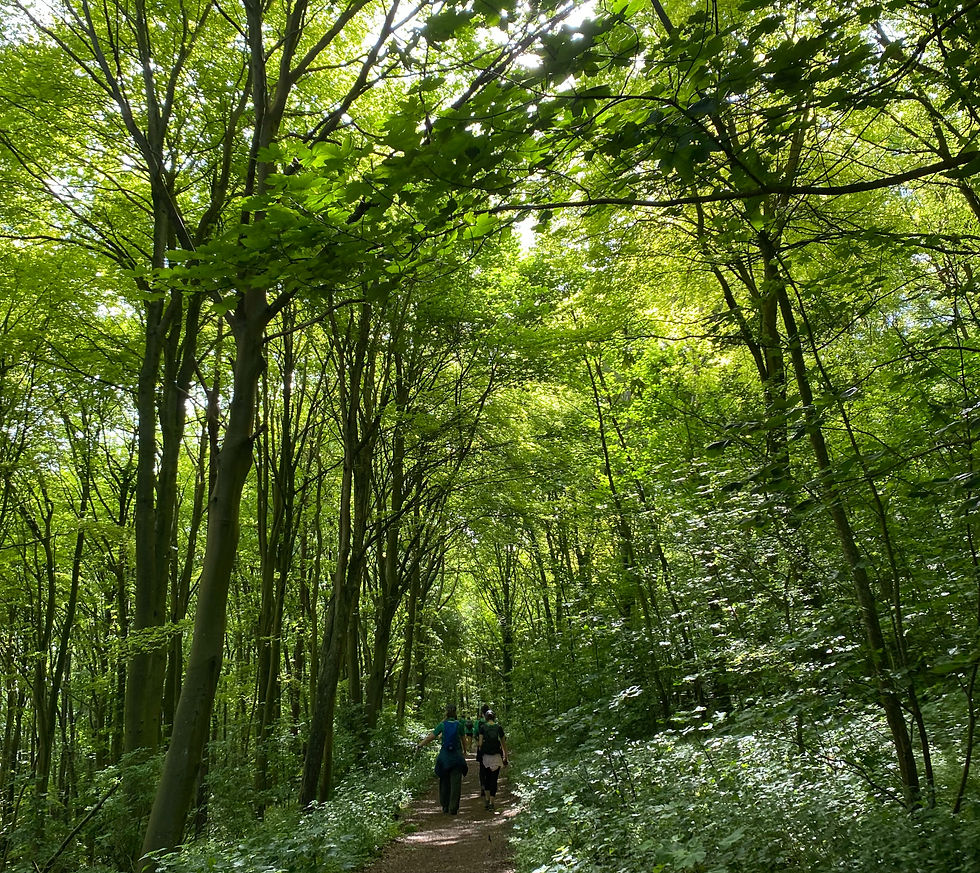
7. Walk Every Day
Walking is often overlooked because it's so simple.
Yet it remains one of the most powerful forms of exercise for longevity.
Aim for a brisk 20–40 minute walk most days.
Walking supports:
Heart health
Brain health
Bone strength
Healthy weight
Mood
Joint mobility
Combined with yoga, walking creates a powerful partnership: yoga restores how you move, while walking keeps you moving.
A Two-Minute Healthy Ageing Routine
If you're short on time, try this simple daily routine:
30 seconds – Gentle hang from a pull-up bar (or with feet supported)
30 seconds – Cat-Cow to mobilise the spine
30 seconds – Standing twist with slow breaths
30 seconds each side – Tree Pose
In just two minutes you'll have challenged your grip, shoulders, spine, balance and nervous system.
Small habits, practised consistently, create extraordinary results over time.
Ageing Is a Privilege
Healthy ageing isn't about looking younger.
It's about continuing to do the things you love.
Playing with children/grandchildren or just playing ;-)
Walking Hiking
Gardening
Travelling
Getting down onto the floor—and getting back up again with confidence.
Yoga teaches us that strength and softness can exist together.
Stability and ease.
Effort and surrender.
Perhaps that's the real meaning of Sthira Sukham Asanam.
As we grow older, our goal isn't to fight ageing. It's to move through each stage of life with greater awareness, joy and Grace!


Comments